Trend Report on Heating Garments Market (2025-2030)
1.Executive Summary The global heated clothing market is projected to grow at a CAGR of 12-15% (2025-2030), driven by technological advancements, increasing demand for outdoor activities, and an...

Investing in modern clothes with electric heating immediately eliminates the discomfort of freezing winter temperatures. This innovative wearable technology guarantees consistent core body warmth. Consequently, it allows outdoor enthusiasts and winter workers to stay comfortable in harsh weather.
The global market for intelligent heated apparel is expanding at a remarkable rate. Industry analysts project this sector will double in value over the next decade. Traditional heavy coats rely purely on passive heat retention.
In contrast, active electronic heating elements actively generate heat on demand. This shift allows designers to create lightweight, stylish, and highly protective garments. Ultimately, adopting active thermal apparel transforms how humans experience severe winter environments. Now, let us examine the core limitations that make traditional winter clothing outdated.
Every winter sports fan knows the frustration of wearing heavy, restrictive clothing. This physical burden happens because traditional jackets rely on thick synthetic insulation layers.
Wearing multiple heavy sweaters severely restricts upper body movement during physical activities. Consequently, hikers, skiers, and outdoor workers tire out much faster.
Furthermore, thick fabric layers trap excessive sweat during intense exertion. When you stop moving, that trapped moisture cools rapidly. As a result, your core body temperature plummets, causing severe chills. Therefore, switching to sleek smart heated clothing eliminates bulky fabric layers permanently.
Passive insulation materials simply trap the heat that your body naturally emits. However, your body produces significantly less heat when standing still in freezing wind gusts.
Under these extreme conditions, standard down jackets quickly lose their thermal efficiency. Consequently, cold air penetrates through outer seams, leaving you shivering. Therefore, integrating active carbon fiber electric heating jackets becomes essential for reliable warmth.
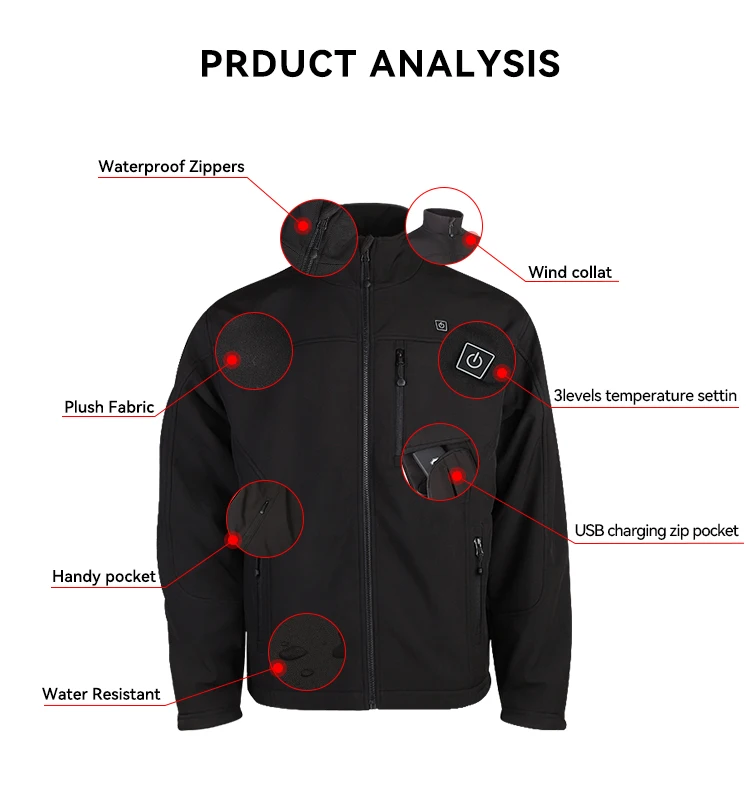
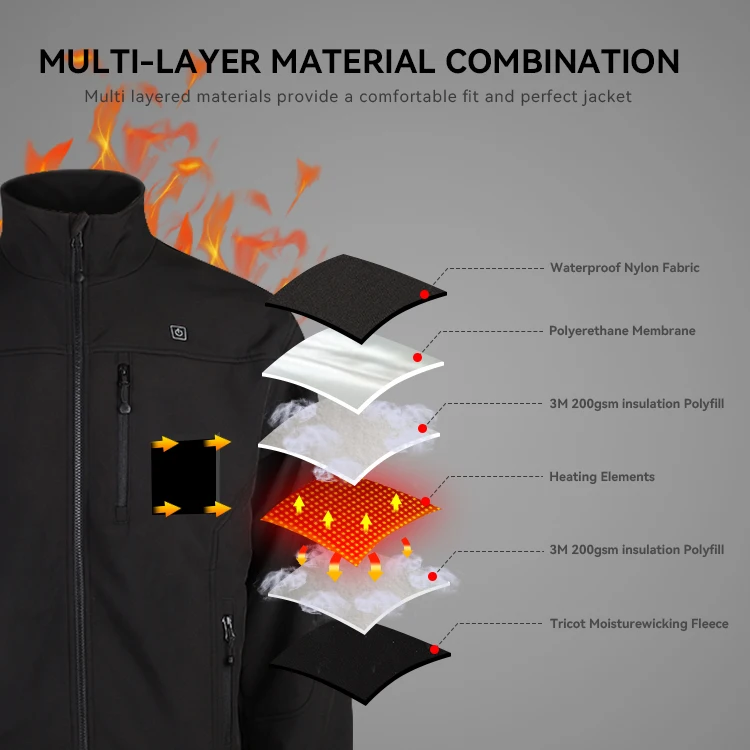
To replace heavy padding, apparel engineers developed ultra-thin heating networks. Modern systems combine flexible carbon fiber micro-wires with lightweight rechargeable batteries.
Advanced thermal apparel utilizes flexible carbon fiber or graphene heating pads. These micro-wires emit safe far-infrared thermal rays directly into your muscle tissues.
Chest Heating Zones: Maintain healthy lung function and steady blood circulation.
Upper Back Panels: Shield large spinal muscle groups from icy wind drafts.
Collar Heating Strips: Warm the neck arteries to distribute heat to your fingertips.
Consequently, the garment delivers target warmth without adding unnecessary bulk or weight.
Modern rechargeable battery operated heated apparel utilizes high-density 7.4-volt lithium-ion battery packs. These compact power banks deliver continuous active warmth for up to ten hours.
Furthermore, integrated Bluetooth chips allow users to adjust temperature settings via smartphone applications. Indeed, you can customize heat outputs for specific body zones with one tap. This digital precision ensures maximum thermal comfort across changing weather conditions.
Ensuring user safety requires strict adherence to international electrical and textile safety regulations. Leading apparel manufacturers must certify their heated garments before entering global retail markets.
IEC 62133-2 Battery Safety Compliance: Guarantees lithium power packs resist thermal runaway and accidental impacts.
ISO 20712 E-Textile Durability Standards: Validates that internal wiring withstands repeated bending and machine washing cycles.
UL 2054 Safety Certification: Ensures low-voltage heating elements prevent electrical shock and surface overheating hazards.
ASTM F3502 Protective Garment Protocols: Verifies breathability and ergonomic performance under severe weather conditions.
Adhering to these rigorous standards builds consumer trust and prevents electrical failures in the field.
The rapid adoption of active thermal clothing reaches far beyond recreational winter sports. Commercial enterprises now deploy clothes with electric heating across diverse industrial sectors.
Outdoor utility crews and construction workers face prolonged exposure to sub-zero winter weather. Shivering reduces manual dexterity and increases workplace injury risks on job sites.
Consequently, industrial fleet managers provide heated workwear to maintain crew productivity. Equipping workers with active thermal vests keeps their hands warm and minds sharp. Ultimately, this investment reduces winter sick leave and boosts overall job safety.
Winter camping, skiing, and motorcycle riding continue to grow in popularity worldwide. Meanwhile, urban commuters seek lightweight garments for daily transit in cold cities.
Deploying temperature controlled smart winter wear allows commuters to transition smoothly from freezing streets to warm subways. You simply press a button to adjust your heat level instantly. This versatility makes active apparel a staple in modern winter wardrobes.
Maintaining smart apparel requires following basic electrical safety guidelines. Follow this structured protocol to ensure long-lasting performance from your heated gear.
Disconnect the Battery First: Always remove the lithium battery pack before storing or washing the garment.
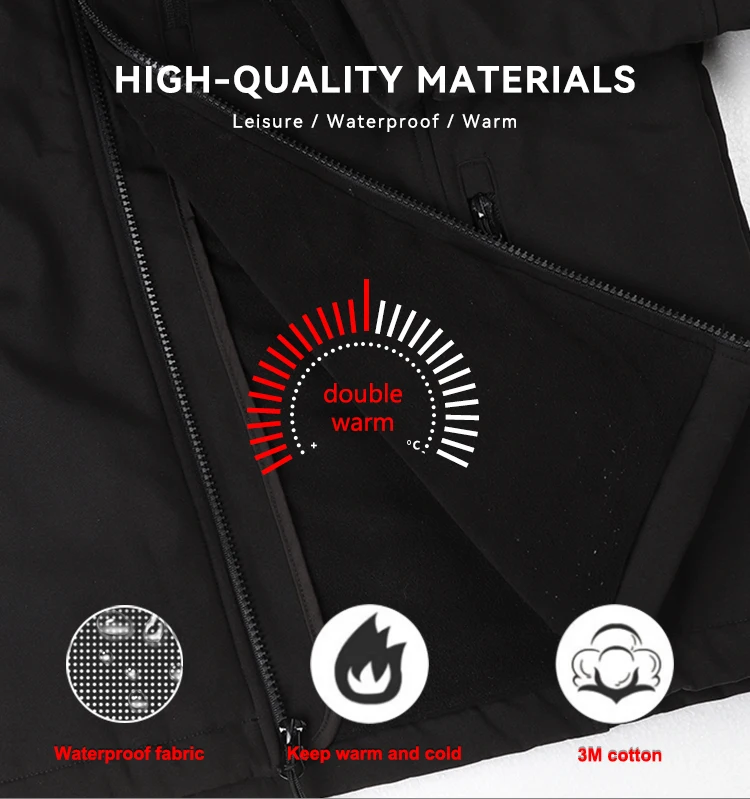
Cap the Power Cable: Place the waterproof protective cap securely over the internal USB plug.
Use a Laundry Mesh Bag: Insert the garment into a soft mesh bag to protect internal wiring.
Select a Gentle Wash Cycle: Wash the apparel using cold water and mild liquid detergent.
Air Dry Completely: Hang the garment to dry naturally before reconnecting the battery pack.
Following these simple operational steps prevents wiring damage and keeps your heating system running perfectly.
Yes, absolutely. Modern heated clothes operate on low 5-volt or 7.4-volt direct current systems. This low voltage presents zero risk of electrical shock to the wearer. Furthermore, waterproof outer membranes protect internal heating wires from moisture penetration.
Operating times depend entirely on the chosen temperature setting and ambient outdoor cold. On low heat settings, high-capacity batteries deliver continuous warmth for up to ten hours. Running the garment on high heat typically drains the battery within three to four hours.
Yes, most modern heated garments feature machine-washable designs with waterproof wiring connectors. However, you must always remove the rechargeable battery pack before washing. Additionally, use a gentle cycle with cold water and avoid tumble drying.
Relying on heavy, bulky coats limits your mobility and fails to protect against sudden temperature drops. You cannot enjoy outdoor winter activities if you constantly shiver in cold clothes. Upgrading your winter wardrobe to include clothes with electric heating transforms your cold-weather lifestyle. This intelligent technology merges sleek apparel design with controllable thermal power to keep you warm.
Stop suffering through freezing morning commutes and bulky winter layers this season. Invest in high-durability, app-controlled heated garments that maximize physical comfort and outdoor endurance. Your body will stay warm, and your winter adventures will last much longer. Upgrade your smart apparel collection today to master winter comfort effortlessly!




 by
by