Trend Report on Heating Garments Market (2025-2030)
1.Executive Summary The global heated clothing market is projected to grow at a CAGR of 12-15% (2025-2030), driven by technological advancements, increasing demand for outdoor activities, and an...

1.Executive Summary

The global heated clothing market is projected to grow at a CAGR of 12-15% (2025-2030), driven by technological advancements, increasing demand for outdoor activities, and an aging population seeking thermal comfort. This report provides a comprehensive analysis of market trends, supply chain shifts, and an expanded breakdown of heated clothing categories that are gaining traction.
2. Market Overview (2025-2030)

2.1 Market Size & Growth
2.2 Google Trends Insights (2023-2024)
3. Expanded Heated Clothing Categories
The market is diversifying beyond traditional heated jackets and vests. Below is a detailed breakdown of key product categories:

3.1 Upper Body Wear
| Product Type | Key Features | Target Audience | Price Range |
| Heated Jackets | Battery-powered, 3-zone heating | Outdoor workers, winter sports | $150–$500 |
| Heated Vests | Lightweight, USB rechargeable | Urban commuters, motorcyclists | $100–$300 |
| Heated Hoodies | Casual wear with hidden heating elements | Youth, everyday winter use | $80–$200 |
| Heated Shirts | Thin, flexible heating for layering | Office workers, mild winters | $70–$180 |
3.2 Lower Body Wear
| Product Type | Key Features | Target Audience | Price Range |
| Heated Pants | Adjustable thigh/knee heating | Skiers, construction workers | $120–$350 |
| Heated Leggings | Stretchable, women-focused designs | Yoga, winter runners | $90–$250 |
| Heated Base Layers | Silk/thermal fabric with heating wires | Campers, military personnel | $60–$200 |
3.3 Accessories
| Product Type | Key Features | Target Audience | Price Range |
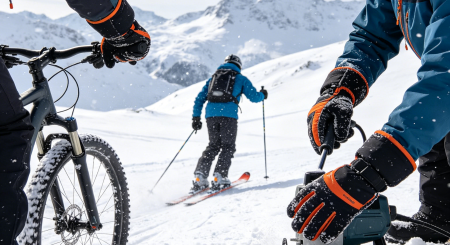
| Heated Gloves | Touchscreen-compatible, waterproof | Motorcyclists, outdoor workers | $50–$200 |
| Heated Socks | 6–10 hours battery life, moisture-wicking | Hikers, diabetics, elderly | $40–$150 |
| Heated Insoles | Slim design for any footwear | Daily commuters, winter sports | $30–$120 |
| Heated Scarves | Fashionable, quick-heating | Urban consumers | $40–$100 |
3.4 Niche & Emerging Categories
4. Supply Chain Shift: China to Southeast Asia & Beyond
(Previous analysis remains relevant, but here’s a brief summary with new insights related to expanded product categories.)
4.1 Key Trends in Production Relocation
4.2 Challenges by Product Category
| Product Category | Supply Chain Challenges | Best Production Hub Alternatives |
| Heated Jackets/Vests | High labor costs in China | Vietnam, Bangladesh |
| Heated Gloves/Socks | Need skilled electronics assembly | India, Mexico |
| Heated Base Layers | Requires advanced fabric-tech integration | Turkey, Portugal (EU-focused) |
4.3 Where Is Production Shifting?
| Country | Advantages | Challenges | Adoption by Heated Clothing Brands? |
| Vietnam | Lower wages, strong textile industry, EU/US FTAs | Rising labor costs, factory shortages | Yes (Nike, Patagonia expanding) |
| Bangladesh | Cheapest labor, high garment export capacity | Safety concerns, political instability | Limited (basic apparel, not yet high-tech heated gear) |
| India | Large workforce, domestic market growth | Bureaucracy, power shortages | Emerging (Tesla, Apple moving; heated clothing still small) |
| Cambodia | Low tariffs (EU EBA scheme), cheap labor | Weak infrastructure, corruption risks | Minor role (low-tech sewing, not electronics) |
| Mexico | Nearshoring for U.S. market, USMCA benefits | Higher wages than Asia, cartel issues | Yes (some U.S. brands shifting) |
4.4 Impact on Heated Clothing Manufacturing
4.5 Future Trends in Supply Chain Relocation
5. Future Opportunities (2025-2030)
5.1 By Product Category
5.2 By Region
6. Conclusion & Recommendations



 by
by